Are Peer Specialists Involved in Crisis Lines? Exploring Recovery Crisis Support through Peer Support Hotlines
When someone struggles with addiction or mental health challenges, especially in moments of crisis, immediate and compassionate support can make all the difference. But what role do peer specialists crisis lines play in these critical interventions? This article dives into how peer specialists engage with crisis lines, the unique strengths they bring to recovery crisis support, and how their work complements other tools like twelve-step programs and non-twelve-step approaches.
What Is Peer Support and Who Are Peer Specialists?
Before we get into how peer specialists function on crisis lines, let’s clarify what peer support means. Peer support involves people with lived experience of addiction or mental health recovery providing emotional, social, and practical help to others facing similar challenges.
Peer specialists are individuals trained and often certified to provide this kind of support in a professional or semi-professional capacity. They know firsthand what it’s like when “cravings hit,” often describing that as a difficult evening moment—say a Tuesday night—when stress and temptations peak. Because they’ve been there, their support isn’t theoretical; it’s grounded in real experience.
Clear Boundaries: Supporting Without Replacing Medical Care
One important point is that peer support complements but does not replace medical or clinical care. Peer specialists understand this boundary well. They provide empathy, encouragement, and hope—and they connect people with resources—but avoid giving medical advice or creating dependency.
This boundary is critical to maintaining the integrity and safety of recovery crisis support, particularly on peer support hotlines where callers may be in vulnerable and volatile states.
Peer Specialists on Crisis Lines: What Does That Look Like?
When we talk about peer specialists crisis lines, we’re referring to hotlines staffed or co-staffed by trained peers who can offer immediate recovery-oriented support. Here is what this involvement looks like in practice:
- Active Listening and Empathy: Peers answer calls with the intention to listen without judgment, providing compassionate emotional support at a critical moment.
- Sharing Real Recovery Stories: Instead of abstract hope, peers share examples of how they navigated similar crises, emphasizing social modeling.
- Connecting to Resources: They help callers find pathways to care—whether it’s a twelve-step meeting, a non-twelve-step group, or professional treatment.
- Encouraging Accountability Without Shame: Peers hold space for honest conversations about challenges and setbacks while avoiding language or attitudes that shame.
Imagine a caller late on a Tuesday night battling intense urges. A peer specialist might say, “I felt that same pull when everything around me was tough. Here’s what helped me through that night…” This kind of concrete sharing dispels isolation and models hope.
How Peer Support Hotlines Differ from Traditional Crisis Lines
Many crisis hotlines are staffed primarily by crisis counselors without lived experience of addiction or mental health recovery. The inclusion of peers on hotlines adds a special layer of connection and inspiration, particularly for people hesitant to trust professionals who “haven’t walked in their shoes.”
Traditional Crisis Lines Peer Support Hotlines Staffed by trained counselors or clinicians Staffed or co-staffed by certified peer specialists with lived experience Focus on crisis stabilization and medical intervention referrals Blend of crisis support with personal recovery insights and social modeling May feel clinical or formal Offers relatable and often informal connection Universal crisis methodologies Recovery-specific insights, such as addressing addiction cravingsIntegrating Peer Specialists with Twelve-Step and Non-Twelve-Step Recovery Approaches
Peer specialists on crisis lines are well-versed in a range of recovery models. Understanding these helps clarify how they provide tailored support:

Twelve-Step Programs
Programs like Alcoholics Anonymous (AA) and Narcotics Anonymous (NA) emphasize spiritual growth, sponsorship, and community meetings. Peer specialists often encourage callers to connect with local meetings or speak to a sponsor as part of their recovery plan.
Because peers know the struggles of “showing up again” or dealing with relapse guilt, their encouragement feels authentic. They model persistence without shaming lapses.
Non-Twelve-Step Approaches
Alternative recovery paths include SMART Recovery, LifeRing, and secular counseling frameworks. Peer specialists respect these choices and may guide callers toward these resources if twelve-step programs don’t fit their preferences or beliefs.
What does this look like on a Tuesday night when cravings hit hard? A peer might say, “If the AA approach didn’t feel right to me, SMART Recovery gave me tools that worked for me in those late-night moments.”
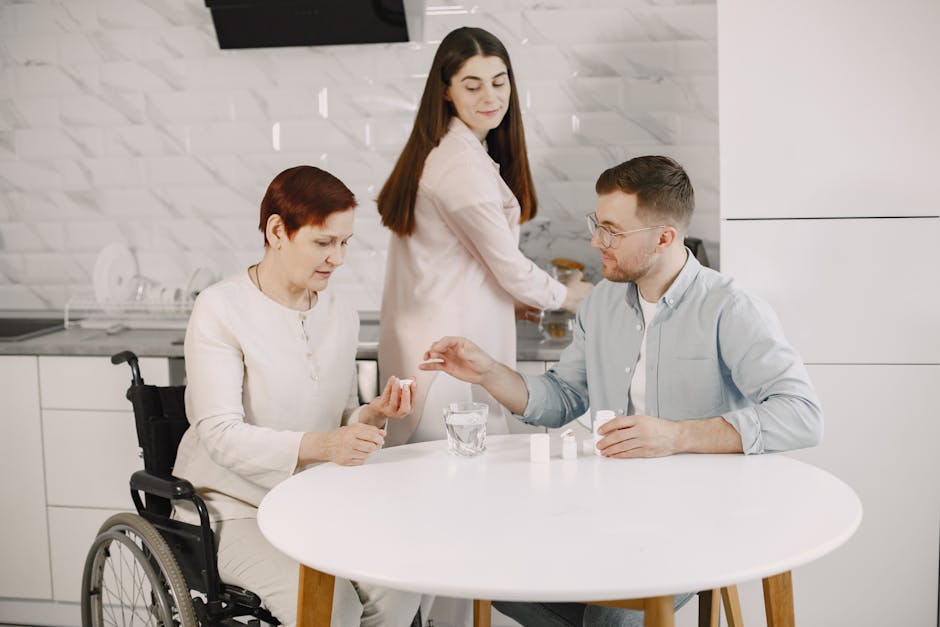
Why Relationships Drive Recovery Better Than Anything Else
One of the most important lessons from peer recovery is that recovery isn’t just about abstaining from substances or discharge planning addiction treatment attending meetings—it’s about forging meaningful relationships.
Relational support gives people someone to lean on when vulnerable. On crisis lines staffed by peer specialists, the caller often experiences an instant connection with https://bizzmarkblog.com/how-do-i-tell-my-employer-im-in-recovery-without-oversharing/ someone who truly “gets it.”
That connection can reduce the isolation that triggers relapse. It also provides accountability that comes from mutual understanding rather than shame or threat.
Accountability Without Shame: A Fundamental Peer Support Principle
The difference between accountability with shame and accountability without it often decides whether a person stays in recovery or falls back. Peer specialists emphasize accountability framed by:
- Recognizing and owning mistakes without harsh self-judgment
- Learning from setbacks to improve next steps
- Encouraging ongoing effort rather than perfection
- Supporting self-efficacy—believing the caller can succeed
This approach contrasts sharply with punitive or shaming responses that many individuals unfortunately experience in healthcare or social settings. Peer support hotlines embody this compassionate accountability model.
Conclusion: Peer Specialists Enhance Crisis Line Recovery Support in Unique and Crucial Ways
So, are peer specialists involved in crisis lines? Yes, increasingly so. Their inclusion brings recovery-based empathy, real-life social modeling, tailored guidance across recovery approaches, and shame-free accountability into the critical moments when cravings and despair threaten relapse.
Rather than replacing medical care or professional counseling, peer specialists work hand in hand with those services to offer immediate, credible hope to people in distress—especially during those challenging Tuesday nights when cravings peak.
For anyone designing or evaluating recovery crisis support services, incorporating peer specialists on hotlines isn’t just an option—it’s a best practice grounded in what actually helps people stay sober and hopeful.