How Long Before Bed Should I Take a CBD Gummy?
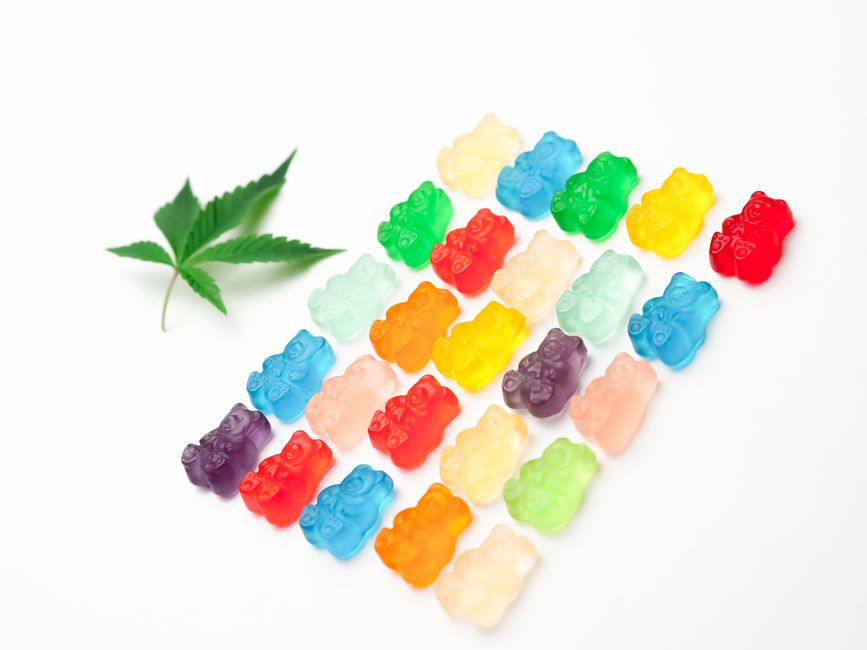
If you’ve been browsing the wellness aisles or scrolling through Instagram, you’ve probably seen CBD gummies touted as a natural aid for sleep, anxiety, and recovery. But when it comes to cbd timing sleep, especially at night, questions about “how long before bed should I take a CBD gummy?” are critical to get right. Taking your gummy too early or too late can mean the difference between a calm, restful night and tossing and turning.
In this post, we’ll break down everything you need to know about CBD basics, dosing mismatches, and how hemp’s legal THC threshold plays into your sleep-time routine. Plus, we’ll call out helpful info from the FDA, mention the World Anti-Doping Agency (WADA), and reference reputable companies like Joy Organics so you can make informed decisions—not just hop on the hype train.
CBD Basics: What Are You Taking, Exactly?
First, a quick refresher on CBD and its sometimes-confused buddy, THC.
- CBD (Cannabidiol): A non-intoxicating compound derived from hemp or cannabis plants. Known for purported calming, anti-inflammatory, and anti-anxiety effects.
- THC (Tetrahydrocannabinol): The psychoactive compound responsible for the “high” feeling. Legal hemp-derived products must contain 0.3% THC or less by dry weight—this is crucial.
Why this matters: While full-spectrum CBD products include tiny amounts of THC, they won't get you high; however, they may show up on certain drug tests or violate WADA guidelines for athletes. This is why companies like Joy Organics offer broad-spectrum or CBD isolate products that are 100% THC-free, targeting consumers who want the benefits without the risk.
Hemp Legality and the 0.3% THC Threshold
Thanks to the 2018 Farm Bill in the U.S., hemp and hemp-derived products like CBD gummies can legally contain up to 0.3% THC. That means your CBD gummy is legally required to have less THC than this threshold to be sold federally. But be careful:
- Some companies may not test every batch rigorously—always check a third-party batch lab report before trusting the label.
- Even trace amounts of THC might accumulate in your system if you use products frequently, potentially causing issues if you face drug testing at sports events or work.
- WADA prohibits THC and many cannabis-derived substances in competition, so athletes need to read labels carefully.
If your focus is on sleep without the buzz or legal risk, sticking to trusted brands like Joy Organics with transparent lab testing is a smart move.
Evidence Strength: Anxiety vs Sleep vs Performance
CBD has grown a reputation as a multipurpose wellness tool, but the science behind it varies greatly depending on the use case. This is key to know for optimizing your cbd gummies schedule and sleep https://bizzmarkblog.com/what-should-i-email-my-esports-org-about-cbd/ routine.
Use Case Evidence Strength Notes Anxiety Moderate to Strong Many clinical and preclinical studies support anxiolytic effects, though optimal dosing varies a lot. Users often report calmness that indirectly improves sleep quality. Sleep Weak to Moderate Research shows mixed results—CBD might help with sleep latency (time to fall asleep) and REM disturbances, but many studies have small sample sizes and inconsistent dosing. Performance (Recovery) Weak Evidence here is mostly anecdotal or preliminary. The World Anti-Doping Agency (WADA) has removed CBD from its banned substances list, but more research on its recovery benefits is needed.Bottom line: If your primary goal is better sleep, focus on products and dosing protocols backed by the best evidence. Anxiety reduction is a common secondary benefit that could help, but expect variability. Claims about performance gains remain mostly hype at this point.
Dosing Mismatch: Studies vs Real-World Gummies
This is one of the biggest headaches when figuring out your night routine with CBD gummies. Research studies frequently use doses between 25 mg to 150 mg or even higher—far more than Learn more here most commercial gummies which tend to contain 5 to 25 mg per serving.
Here’s a quick breakdown of typical dosing ranges:
- Research Dose: 25 mg to 150+ mg per administration in many studies.
- Common Gummy Dose: 5 mg to 25 mg CBD per gummy.
- Typical User Starting Dose: 10–15 mg taken 30–60 minutes before bedtime.
Because of this discrepancy, it’s common for users to initially underdose, then gradually increase their gummies to find the "sweet spot" that works for their sleep needs. But beware:
- Jumping to very high doses without trial is expensive and might increase the risk of side effects like daytime grogginess.
- Everyone metabolizes CBD differently—affected by weight, metabolism, and whether you took it with food.
- CBD onset typically occurs 30 to 90 minutes after ingestion, which is why timing matters.
Optimal CBD Gummies Schedule for Sleep: How Long Before Bed?
So, how long before bed should you take a CBD gummy? Here’s the practical advice, based on pharmacokinetics (how your body absorbs and processes CBD) and user reports:
- Start 45–60 minutes before bedtime. This window aligns well with when edible CBD products typically peak in your bloodstream.
- Take gummies with a small meal or snack. Fat helps CBD absorption, boosting bioavailability and efficacy.
- Consistency is key. Create a nightly routine where you take your gummy at roughly the same time each evening.
- Adjust dose based on effects. If after a week you don’t notice improved sleep latency or quality, consider increasing your dose gradually.
Remember, the FDA still maintains a cautious stance on CBD supplements, and while it doesn’t regulate them like pharmaceuticals, responsible companies publish third-party lab testing to verify potency and purity. Make these tests your best friend when picking a product.
The Role of Reputable Brands
Brands like Joy Organics stand out by offering:
- Broad-spectrum gummies with zero THC for worry-free sleep aid.
- Transparent lab results showing cannabinoid content and safety.
- Clear dosing guidelines that align with clinical insights.
Such brands reduce guesswork and help form a reliable cbd gummies schedule that fits your lifestyle.
Important Considerations and Safety Tips
- Drug Interactions: CBD can interfere with liver enzymes that metabolize various medications. Always consult with your doctor if you are on prescriptions.
- THC Exposure: Even trace amounts in full-spectrum products can cause impairment or positive drug tests—plan ahead if this matters.
- Sleep Hygiene Matters: CBD is not a cure-all. Use it as one tool in a comprehensive sleep routine including good habits like limiting screens before bed, managing noise/light, and stress reduction.
Summary: Your Cheat Sheet for CBD Timing Sleep
Question Answer Notes How long before bed? 45 to 60 minutes Allows time for peak blood levels with edible CBD Typical dosage to start? 10–15 mg CBD Adjust up or down based on results and tolerance Does THC content matter? Yes, should be ≤0.3%, avoid if drug testing Broad-spectrum or isolate preferred for zero THC Is CBD FDA-approved for sleep? No Currently only one CBD drug (Epidiolex) is FDA-approved, not for sleep Will CBD gummies always help sleep? Not guaranteed Effects vary; good sleep hygiene and dosage keyUltimately, figuring out when and how to take your CBD gummy for best sleep is a personal experiment informed by evidence, timing, and product quality. Brands like Joy Organics make that journey safer and easier by offering clean, THC-free formulations and published lab data—so you’re not just guessing what “full spectrum” means or how much you’re actually getting.
For your next night’s routine, plan to take your CBD gummy about an hour before lights out, keep doses modest at first, and combine that with healthy bedtime habits. With patience and the right product, you could unlock the calming benefits that CBD quietly promises for gamers, athletes, and anyone chasing better rest.
