Should I Trust an In-House CBD Lab Report or Only Independent Labs?
A CBD product can come with a polished label, a QR code, and a document called a certificate of analysis (COA). But what does that report actually prove—and does it matter whether the testing was done by the company selling the product or by an independent laboratory?
The short answer: an in-house report can provide useful information, but it deserves more scrutiny because the seller has an interest in the result. Independent CBD testing can add confidence, especially when the lab is qualified and the report matches the exact product batch. Neither an “independent” label nor a lab logo is a guarantee by itself. Check the details.
This guide explains how to compare reports, make sense of CBD amounts, and spot common label problems. Whether you encountered the topic through a retailer, an article from The Daily News (thedailynewsonline.com), or an audio version delivered through a service such as Trinity Audio, the same rule applies: follow the evidence back to the specific product and batch.
In-House Lab vs. Third-Party Lab: What’s the Difference?
An in-house lab report is produced by a laboratory owned, operated, or directly controlled by the company that makes or sells the CBD product. In some cases, the company may conduct tests itself; in others, it may use a lab affiliated with the business. The term can be used loosely, so look for a clear explanation of who performed the test.
A third-party lab is separate from the product seller. That separation can reduce conflicts of interest, but it does not automatically make the report reliable. The lab still needs appropriate methods, equipment, and expertise. A report from an unknown or unqualified outside lab may be less informative than a transparent in-house program with strong quality controls.
Question In-house report Independent report Who controls the lab? The producer or a related business may control it. The lab is separate from the producer, though you should verify the relationship. What is the main concern? Potential conflicts of interest and limited transparency. Whether the lab is qualified, the methods are suitable, and the report is genuine. What should you check? Methods, quality controls, full results, and batch identification. Lab identity, accreditation scope, full results, and batch identification.The most useful question is not simply “Was it third-party tested?” It is “Can I verify who tested this exact batch, what they tested for, and what the results mean?”
What Does “Independent CBD Testing” Actually Tell You?
Independent CBD testing means a separate laboratory analyzed a sample. Ideally, the report identifies the lab, the sample, the testing methods, and the results. It should also be possible to connect the sample to the product you are considering—not just to a generic formula or an older production run.
Look for the following details:
- Laboratory name and contact information: The report should not hide who performed the analysis.
- Sample identification: It should name the product or sample type and provide a sample or report number.
- Dates: Check when the sample was received and tested. A very old report may not represent a current batch.
- Test results: Look for actual numbers and units, not only “pass” or “compliant.”
- Testing scope: Find out whether the report covers cannabinoids only or also contaminants such as pesticides, heavy metals, residual solvents, or microbes.
- Batch or lot match: The report should correspond to the lot number printed on the package.
Why “ISO Accredited Lab” Needs a Closer Look
“ISO accredited lab” is a phrase worth checking rather than accepting at face value. A lab may be accredited to ISO/IEC 17025, a standard for testing and calibration laboratories, but accreditation applies to particular activities and methods. It does not mean every test the lab performs is accredited, nor does it certify that a CBD product is safe or effective.

Ask whether the lab’s accreditation covers the relevant cannabinoid or contaminant test. You can look for the accrediting body and verify its directory or scope documentation. If a company says a report comes from an accredited lab but does not identify the lab or provide a way to verify the claim, treat that as an unanswered question—not proof of wrongdoing, but a reason to ask for more information.
Read the Label: Milligrams per Bottle vs. Milligrams per Serving
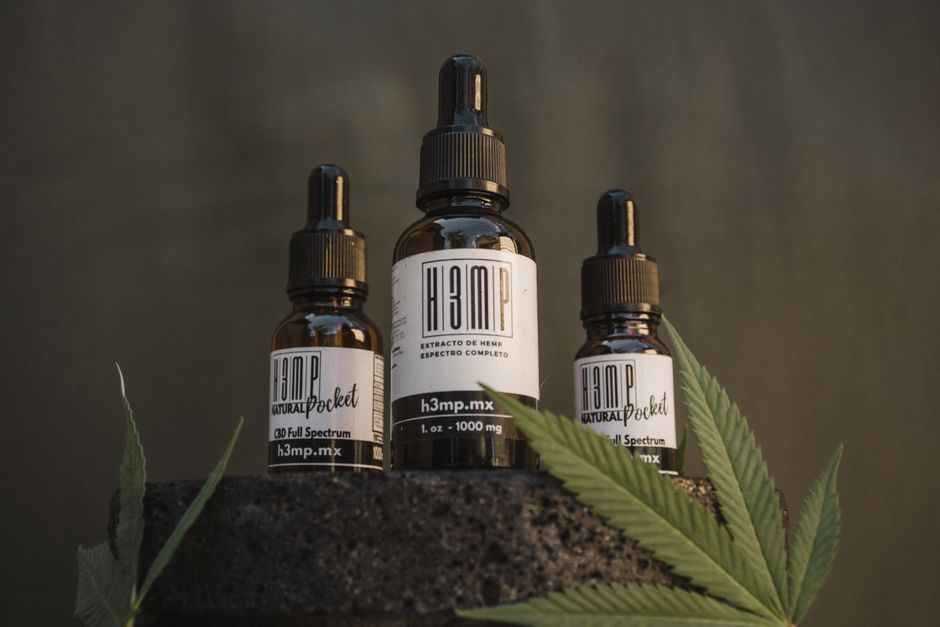
A common source of confusion is a large number on the front of the bottle. That number may refer to total CBD in the entire bottle, not the amount in one serving. Compare products using the same measure, and check how the serving is defined—by milliliters, dropperful, or another stated amount.
For example, a 1,000 milligram tincture in a one ounce bottle is roughly 30 servings, about 33 milligrams per serving, if the serving is one milliliter and the bottle contains about 30 milliliters. A dropper may not always hold exactly one milliliter, so follow the label’s serving directions and confirm the bottle volume.
Also distinguish the advertised amount from the tested amount. A COA may report CBD concentration in milligrams per gram or milligrams per milliliter. The report’s units may not match the label’s units, so avoid comparing the numbers without understanding what each measures.
“Total Cannabinoids” Is Not the Same as a CBD Amount
A label or report that says only “total cannabinoids” aerial parts hemp extract does not tell you how much CBD the product contains. Total cannabinoids may include CBD, THC, and other measured cannabinoids. If you are trying to assess a CBD product, look for CBD (sometimes listed as cannabidiol) as its own result, with a clear amount and unit.
A helpful COA usually shows a cannabinoid profile rather than one combined figure. That profile can include CBD, THC, and other cannabinoids detected by the lab. If the report lists only a total, ask the company for the individual results. If those are unavailable, you cannot confirm the product’s CBD amount from that report alone.
Full Spectrum, Broad Spectrum, and Isolate
These terms describe different kinds of hemp extracts. They are not a quality ranking, and the exact composition should be confirmed on the label and, where possible, the COA.
- Full spectrum: Generally refers to an extract containing CBD and other hemp compounds, which may include THC. Check the report for the actual cannabinoid profile and applicable THC information.
- Broad spectrum: Generally refers to an extract containing CBD and some other hemp compounds, with THC removed or reduced to a specified level. “THC-free” claims should be checked against the test method and its detection limits.
- Isolate: A product made with isolated CBD rather than a broad mix of hemp cannabinoids. The COA should show whether CBD is present and whether other cannabinoids were detected.
Terminology can vary between brands, so treat these words as descriptions to verify—not as substitutes for test results. People who need to avoid THC for personal, workplace, or legal reasons should not rely on a spectrum label alone. Test results have limits, and laws vary by location.
Watch for Hemp Seed Oil Bait-and-Switch Confusion
Hemp seed oil is made from hemp seeds and is commonly used as a food or carrier oil. CBD is associated with hemp’s flowers, leaves, and stalks—not the seeds themselves. A product that says “hemp oil” or “hemp seed oil” is not necessarily a CBD product.
Read the ingredient list and look for an explicit CBD amount, such as milligrams of cannabidiol per bottle. A COA that lists CBD results can help confirm the contents. If the packaging emphasizes hemp imagery or “hemp oil” but does not state the CBD amount, do not assume it contains CBD.
Use the QR Code and Batch/Lot Number Together
A QR code on packaging can make a lab report easy to access—but only if it links to the relevant document. Scan it and confirm that it opens the report itself, or a clearly labeled product page with a direct link to the COA. A QR code that goes to a homepage, a general marketing page, or a page with no report does not verify the batch in your hand.
Next, compare the package’s batch or lot number with the report. A batch/lot number matching system should make it straightforward to identify the corresponding COA. The number may appear on the bottom of the bottle, on the label, or on a box. Check the characters carefully; a report for a similar product or a different lot is not a match.
- Find the lot or batch number on the product packaging.
- Scan the QR code or enter the product information on the seller’s testing page.
- Open the actual lab report—not just a summary or product description.
- Confirm that the report’s product and batch details match your package.
- Check the report date, CBD result, other cannabinoid results, and tests performed.
If the QR code is broken, the report is missing, or the lot number does not match, contact the company and ask for the correct document. Do not treat a report for another batch as proof about your product.
Red Flags—and Questions Worth Asking
Some phrases are not automatic proof of a bad product, but they should prompt follow-up. Be cautious when a company relies on “lab tested” without naming the lab, uses “total cannabinoids” without disclosing CBD separately, or makes medical promises on packaging. A COA cannot establish that a product treats or cures a health condition.
- Does the report identify the testing lab and provide complete results?
- Does the batch or lot number match the product?
- Is CBD reported separately from total cannabinoids?
- Are the units and serving size clear enough to compare with the label?
- Does the report explain what contaminants were tested, if any?
- Can you verify any claimed ISO/IEC 17025 accreditation and its scope?
Brands such as Joy Organics can be assessed using the same practical checklist as any other seller: locate the current report, verify the batch, and examine the actual results. A recognizable brand name—or a prominent testing claim—should not replace checking the product in front of you.
So, Should You Trust an In-House Report?
You do not have to reject every in-house report automatically, but you should weigh its limitations. Prefer clear, batch-specific results from a qualified independent lab when available. If a company relies on in-house testing, look for unusually strong transparency: named methods, quality controls, complete cannabinoid results, and a way to verify the sample and batch. Consider asking whether the company also uses outside confirmation testing.
In either case, a report is only as useful as its scope and connection to the product. A cannabinoid-only COA does not establish that a product was screened for pesticides or heavy metals. A report for a different batch does not verify your bottle. And a laboratory result is not medical advice or a promise of a health outcome.
A Quick, Practical Checklist
- Compare CBD milligrams per serving—not just milligrams per bottle.
- Look for CBD listed separately from total cannabinoids.
- Confirm whether the product is full spectrum, broad spectrum, or isolate by checking the results.
- Make sure the report identifies the lab and the tests performed.
- Verify that the lot number on the package matches the report.
- Use the QR code only if it leads to the relevant lab report document.
- Treat “ISO accredited” as a claim to verify against the lab’s specific accreditation scope.
- Do not mistake hemp seed oil for CBD, or a COA for proof of medical benefit.
The best answer to “in house lab vs third party” is not to trust a label blindly. Look for a specific, verifiable report; understand what it measures; and match it to the batch you plan to buy. Those few checks can make a confusing CBD label much easier to evaluate.