What are good “clear first steps” for an evening routine besides tea?
Tea is a lovely evening cue, but it isn’t the only way to tell your brain that work is over. Your first step might be changing the light, washing your face, putting on comfortable clothes or stepping outside for two minutes. The important thing is that it’s clear, easy to start and connected to the kind of evening you want.
If you’re trying to drink less alcohol after work, a new routine doesn’t have to be a grand self-improvement project. It can be a small sequence that helps you cross the gap between “I’ve finished” and “I’m allowed to rest”. Think of it as a landing, not a test of willpower.
Below are practical first step ritual ideas, including options that take under a minute. You’ll also find ways to choose a replacement that meets the need your current habit is meeting, and to make your surroundings do some of the work.
Start with the question: what job is the habit doing?
Before choosing a replacement for an after-work drink, pause and ask: what job is this habit doing? It might mark the end of the working day, offer a reward, take the edge off stress, create a sense of occasion or give you something to do while you decide what comes next. Often, a habit does more than one job.
That matters because a replacement that misses the point can feel flat. If the appeal is a clear “work is done” signal, a breathing exercise may not scratch the same itch. If it’s a treat, a plain glass of water might feel like a demotion. You don’t need to copy the drink; you need to understand the function it serves.
Try this quick check-in:
- What do I want right now? A pause, a treat, company, quiet or a change of scene?
- What does my usual habit give me? A transition, comfort, stimulation or permission to stop?
- What’s one small action that could provide some of that? Keep it realistic for a tired Tuesday.
If alcohol has become difficult to cut down, or you’re worried about your drinking, a routine is not a substitute for support. Speak with your GP or a relevant alcohol support service. You deserve help without judgement.
What makes a good clear first step?
A useful first step is specific enough that you don’t have to negotiate with yourself. “Relax” is a mood, not an instruction. “Put my phone on charge in the hall and change into my soft trousers” is something you can actually do.

For a routine starter to stick, make it:
- Small: it takes one to five minutes, not a whole evening.
- Visible: the cue or equipment is easy to notice.
- Repeatable: it works on ordinary evenings, not just ideal ones.
- Kind: it doesn’t require you to earn your rest.
These are the after work cue actions that help a routine begin: closing the laptop, changing the lighting or putting your work bag away. The cue creates a little space between work and whatever comes next. You can build from there, but the first action is the important bit.
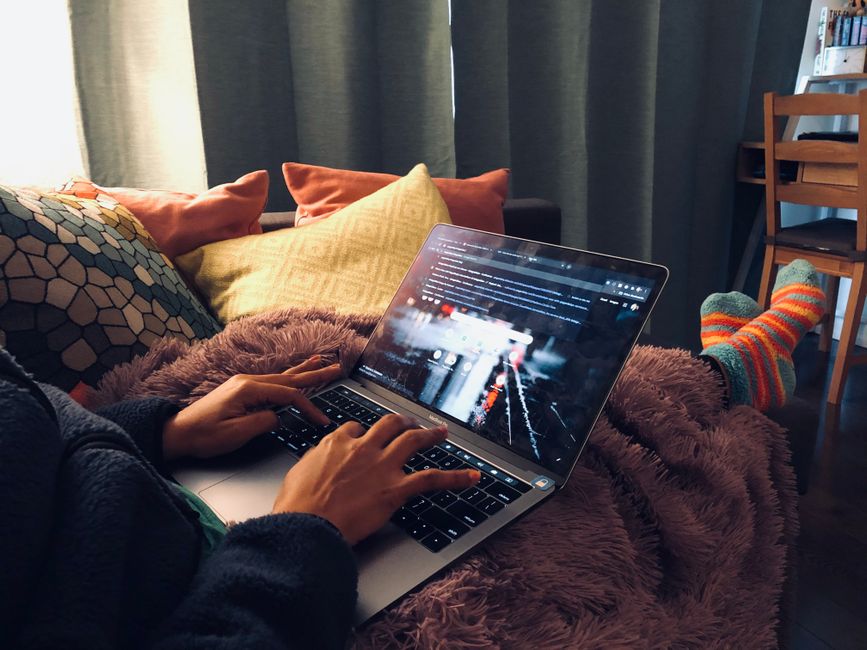
First step ritual ideas besides tea
Choose one idea to try tonight. You’re not signing a contract with it; you’re testing whether it helps.
1. Change one thing you’re wearing
Put on slippers, take off your work clothes or change into a favourite jumper. This creates a physical boundary between work mode and home mode, even if your desk is in the corner of the living room.
First step: leave your comfortable clothes where you can see them before you start work. When you log off, change before opening the fridge or sitting back at your desk.
2. Make a “work is closed” gesture
Close your laptop, put it away or cover it with a cloth. If you work remotely, this small visual change can help stop your equipment becoming the evening’s backdrop. You could also write tomorrow’s first task on a note, then shut the notebook.
First step: save your work, write one next action for tomorrow and close the lid. The note is there to reassure your brain that the task hasn’t vanished.
3. Step outside briefly
A short walk round the block, a few minutes in the garden or simply standing on the doorstep can give you a change of air and perspective. This is not a fitness target. The aim is to signal a transition and let your attention move away from the screen.
First step: put your shoes by the door before your final meeting. When you finish, walk to the end of the street and back. If the weather is grim or getting outside isn’t practical, open a window and stretch for a minute instead.
4. Wash your face or hands
Warm water, a familiar scent and a different sensation on your skin can make a simple reset. It’s a useful option if you like a sensory cue but don’t want another drink. Keep it comfortable rather than turning it into an elaborate skincare routine.
First step: put a flannel or cleanser beside the sink. After work, wash your face or hands slowly and notice the temperature of the water.
5. Put on one song
A particular track can become a reliable ending cue. Choose music that fits the job you want it to do: lift your mood, mark a change of pace or give you a minute to stand still. It doesn’t need to be soothing instrumental music if that’s not your thing.
First step: save a single “work’s done” song in a playlist. Press play as you close your laptop, and let that be the only task for the length of the track.
6. Prepare a satisfying alcohol-free drink
If the after-work drink is partly about ceremony, presentation matters. Try sparkling water with citrus, a cordial and soda, or another drink you enjoy. Use a proper glass if you like the weight and feel of one. Sensory cues aren’t frivolous; the glass, bubbles, scent and first sip can all help make the new ritual feel like a treat.
First step: chill your chosen drink and put a glass somewhere visible before the workday ends. When you log off, pour it before making other decisions. The aim isn’t to pretend it’s alcohol; it’s to create a pleasant, intentional pause that belongs to you.
7. Do one small closing task at home
Water a plant, put a pan on the hob or clear one corner of the kitchen counter. A modest, visible task can help you shift into home life, especially if you prefer doing something with your hands. Stop after the one task; this is a cue, not an invitation to clean the entire house.
First step: choose the task in advance and leave what you need ready. For example, put the watering can beside the plant rather than relying on a tired brain to remember.
Design the ritual around a cue, not a perfect evening
Routines are easier to start when they’re attached to something that already happens. “After I close my laptop, I put on my slippers” is clearer than “I’ll try to have a better evening”. This is a simple way to make simple routine starters part of your day without needing a special burst of motivation.
Keep the sequence short at first. You might try:
- Close the laptop and write down tomorrow’s first task.
- Change into comfortable clothes.
- Pour an alcohol-free drink into a proper glass.
- Sit somewhere away from your work setup for five minutes.
That’s enough. If you want to add a walk, dinner or a longer wind-down later, you can. Start with the smallest version that still feels meaningful. A routine that works on a low-energy evening is more useful than one that only works when you’re already feeling organised.
Make the environment help you
Willpower is a poor evening plan when you’re tired. Instead, arrange the room so the next helpful action is easier to take. Put slippers by the desk, move alcohol out of immediate sight if that suits your goals, and keep your alternative drink accessible. If the laptop tends to pull you back into work, charge your phone or laptop in a different room where possible.
Think in terms of tiny ritual “first steps”: set out the glass; place the book on the sofa; leave the face cloth beside the sink; put your walking shoes by the door. These little preparations reduce the number of decisions you need to make when you finish work.
If you’re looking for… Try this first step Make it easier by… A clear end to work Close the laptop and write tomorrow’s next task Keeping a notebook beside your desk A treat or a sense of occasion Pour an alcohol-free drink into a favourite glass Chilling the drink before you finish work A change of scene Step outside for two minutes Leaving shoes by the door A sensory reset Wash your hands or face with warm water Putting a flannel within easy reach A gentle lift Play one favourite song Saving it as a one-track playlistRest is a reward, not something to earn
Many people find it hard to stop working because they feel they should do one more task first. But rest doesn’t have to be a prize for completing everything. Most of us could keep working, tidying or scrolling for longer than is good for us. A routine can be a way to give yourself permission to stop, not a productivity system in disguise.
Try saying, “Work is finished for today; I can pick this up tomorrow.” If that feels too grand, make it smaller: “For the next ten minutes, I’m off duty.” You’re not required to feel instantly calm. The point is to make room for a different activity, even if your mind takes a little while to follow.
A note on CBD products and checking claims
You may come across CBD products while looking for ways to unwind, including brands such as Joy Organics. A brand mention is not a recommendation, and CBD is not a guaranteed answer to stress, sleep problems or changing your drinking habits. In the UK, CBD products sold as food supplements must not be presented as medicines or make unauthorised medicinal claims. Rules and product status can be complex, so check current UK guidance before buying.
If you’re considering a product, look for clear information about ingredients and the specific product’s testing. A QR code linking to lab reports can be thecoachspace one way to access testing information, but a QR code alone doesn’t prove that a product is suitable or that its claims are justified. Check what the report covers, whether it matches the product and batch, and whether the information is understandable. If you take medicines, have a health condition, or are unsure about possible interactions, seek a pharmacist consultation before using CBD. Don’t stop prescribed medication without speaking to your prescriber.
And remember: choosing a non-alcoholic ritual doesn’t require adding a supplement or buying a new product. Often the most useful starting point is free, familiar and easy to repeat.
Try one small experiment tonight
Pick one after-work cue action and make it concrete: “When I close my laptop, I’ll change into comfortable clothes,” or “After I finish work, I’ll pour sparkling water into my favourite glass.” Put the first-step item where you’ll see it. Then notice what happens, without grading yourself.
If the new ritual doesn’t help, ask again: what job was the old habit doing? You might need more ceremony, a stronger sensory cue, a proper break or a clearer boundary around work. Adjust the experiment rather than blaming yourself. The best evening routine is not the most impressive one; it’s the one that gives you a dependable first step towards the kind of rest you actually want.
Communities such as The Coach Space can offer a place to reflect on habits and make changes with support. Whether you explore coaching or try a tiny ritual on your own, begin with one action you can do tonight. Small beginnings count.