What Changed in 2018 with Cannabis-based Medicines in the UK?
If you’ve spent a few years around football changing rooms and physio rooms like I have, you know the unspoken culture around pain and playing through it. “Just rest it” – a phrase as useless as a pair of wet boots – is thrown at anyone admitting to ongoing aches. The stigma around reporting pain as a footballer is real and damaging. Long-term, it paves the way for problems like osteoarthritis and persistent pain that can stubbornly hang around for decades.
In 2018, something quite significant shifted in the UK’s approach to cannabis-based medicines, and it’s worth exploring how this change affects the conversation around managing chronic musculoskeletal (MSK) pain. This post unpacks the medical cannabis rescheduled 2018 moment, outlines current UK cannabis prescription rules, touches on the role of specialist doctor prescribing, and ties it all back to practical rehab in football and lower-league culture.
The 2018 Turning Point: Medical Cannabis Rescheduled
Before late 2018, cannabis-based medicines were mostly off the table for clinicians in the UK—treated with a legal and moral fog that left many in chronic pain or living with sports-related injuries sidelined from accessing this potential option. The key change in November 2018 was the reclassification of cannabis-based products for medicinal use (CBPMs) as Schedule 2 controlled drugs accessible on prescription in certain cases.
This reclassification meant:
- Doctors could legally prescribe cannabis-based medicines for patients when other treatments failed.
- It provided a regulatory framework so specialist doctors—usually in pain, neurology, or palliative care—might consider cannabis medicine as part of long-term pain management plans.
- Gave patients with hard-to-manage persistent pain a new option outside opioids or purely traditional analgesics.
However, and this is crucial, the NHS prescribing of CBPMs remains tightly controlled and rare, with clinicians required to follow strict guidelines. Most people aren’t getting it on a GP prescription overnight. This is why private clinics that specialise in medical cannabis consultations have grown as an alternative route.
For those interested, the UK Anti-Doping (UKAD) website guidance on medical cannabis use in athletes provides up-to-date rules and caveats, especially for active sportspeople.
Football Culture and the Pain Reporting Stigma
Years on the pitch and in rehab have revealed a pattern: high pain tolerance mixed with reluctance to admit it. Whether it’s the fear of being dropped, mocked, or appearing weak, players tend to stuff pain away, sometimes taking unnecessary risks with injury.
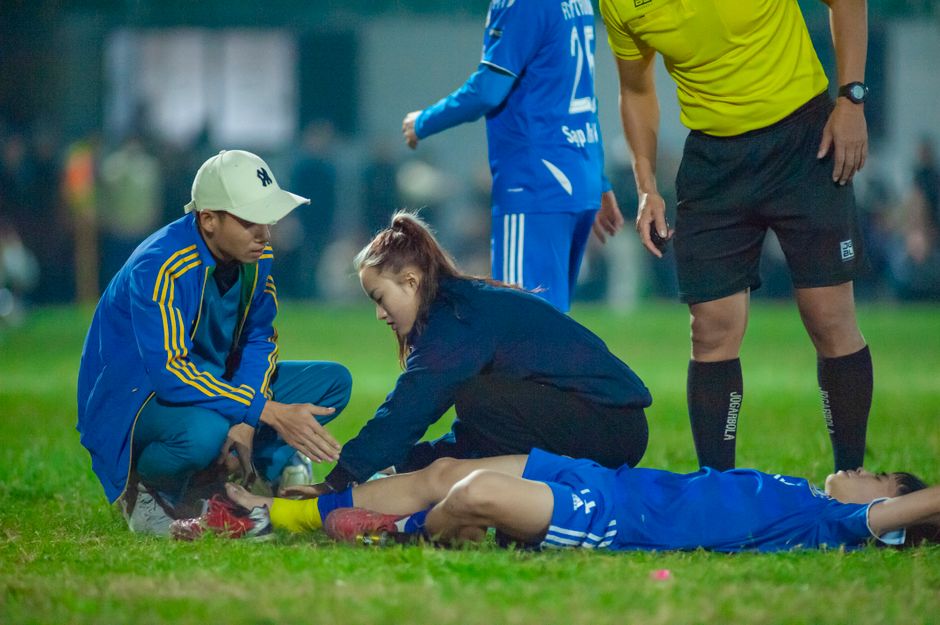
This culture has contributed to several long-term problems:
- Osteoarthritis: Repeated joint trauma and imperfect healing from untreated or under-treated injuries.
- Persistent pain syndromes: Pain lasting beyond the usual healing time, often linked with nerve changes and central sensitisation.
Simply “resting it” and hoping the pain disappears is often a non-starter. The injury and pain may feel fine initially, but the damage accumulates—in tendons, joints, cartilage—leading to ongoing symptoms.
Mechanisms Behind Persistent Pain in Footballers
Understanding why pain persists beyond what you’d expect is key to managing it long-term. Here’s a simplified breakdown:
Mechanism What It Means Plainly Why It Matters for Footballers Imperfect Healing Injuries that don’t fully heal properly create weak spots or ongoing inflammation. Leads to recurrent pain episodes or gradual worsening, especially in joints like knees and ankles. Cumulative Loading Repeated stress and strain over time cause micro-damage that adds up. Because football involves constant running, kicking, collisions—your tissues take a hammering over seasons. Central Sensitisation The nervous system gets “sensitised” so it overreacts to pain signals, making pain feel worse or last longer. Means pain may feel disproportionate to the injury visible on scans, making it tricky to treat.Medical Cannabis: Another Piece in a Complex Puzzle
So where does medical cannabis fit into this picture? It’s important not to see CBPMs as a magic bullet or substitute for active rehab. Instead, think of it as a potential adjunct in the toolkit for managing long-term pain—especially when traditional meds aren’t cutting it.
Medical cannabis can:
- Help modulate pain perception through its effects on the endocannabinoid system.
- Potentially reduce the need for stronger opioids with their heavy side effects and addiction risks.
- Be part of a harm reduction strategy in persistent pain management.
However, access is limited and controlled. Only specialist doctors can prescribe it, following detailed patient assessments. This typically happens through:
- Referral or self-referral to a specialist clinic experienced in medical cannabis.
- Comprehensive evaluation to assess suitability and rule out contraindications.
- Close monitoring of outcomes and side effects once prescribed.
Private Clinics and The Pathway for Medical Cannabis in The UK
Because NHS prescriptions remain rare, many patients turn to private clinics specialising in medical cannabis. These clinics offer structured pathways:
- Initial consultation with a cannabis-experienced specialist doctor.
- Detailed history & physical assessment focused on pain, previous treatments, and impact on life.
- Discussion of benefits, risks, and expectations honestly—no overpromise that pain will be "fixed" immediately.
- If suitable, a tailored prescription and follow-up plan emphasizing gradual titration and symptom monitoring.
This pathway ensures patients are not left to self-medicate or rely on unregulated sources, which can be both dangerous and illegal.
Active Rehabilitation Remains Essential
A key gripe I have with many “pain management” discussions is the lack of emphasis on active rehab. For chronic MSK issues, including those linked to football injuries, the best outcomes come from pieandbovril graded, structured exercise and strengthening programs designed for your individual needs.
Medical cannabis or other meds shouldn’t replace this, but can potentially make rehab more tolerable. Here’s what a practical routine might look like:
- Assessment: Identify pain patterns, range of motion, and functional deficits.
- Graded Exercise: Start with low-intensity movements that don’t flare pain, gradually increasing workload safely.
- Strengthening: Target muscles around the affected joints to improve support and reduce strain.
- Load Management: Balance rest and activity, avoiding sudden spikes that aggravate symptoms.
- Consistency: Keeping at it is vital; no quick fixes here.
The combination of this approach with pain control strategies—including prescribed medical cannabis where suitable—represents the best chance for long-term improvement.
Wrapping Up: What Changed in 2018 and Why It Matters to Footie Fans
Summing it all up:
- 2018’s rescheduling of medical cannabis opened a regulated door for prescribing cannabis-based medicines in the UK, albeit under strict controls.
- For footballers and fans alike, it’s an important development in breaking down stigma around persistent pain and exploring additional treatment options.
- That stigma, combined with a culture of “toughing it out,” contributes greatly to long-term joint problems like osteoarthritis.
- Understanding injury mechanisms like imperfect healing and central sensitisation is crucial, as is engaging in active, graded rehab.
- Specialist doctors and pathways through private clinics ensure that medical cannabis prescriptions are considered carefully and safely.
If you’re a football player, ex-player, or fan with a dodgy knee, chronic tendon pain, or that nagging ache that won’t quit—keep asking the right questions. What changed in the last 6 weeks? Are you stuck resting without improvement? Could new treatment ideas, including legal medical cannabis, be part of your rehab plan?
Remember, managing persistent MSK pain is often a slow grind, not a sprint. Avoid quick fixes and dodgy advice. Seek out specialist input, stay active with sensible exercise, and above all—don’t be afraid to talk honestly about pain. It’s not a badge of shame, it’s a sign you need a plan tailored for you.
Helpful Resources
- UK Anti-Doping (UKAD) Medical Cannabis Guidance
- Example Private Clinic Specialist Pathway for Medical Cannabis
- NHS Strength Training and Rehab Advice
For those of us who’ve seen too many mates play on through pain until the damage’s done, these changes offer cautious hope—but only if combined with sensible rehab, honest communication, and specialist care.