What Does THC-Free on a CBD Label Really Mean?
If you've ever shopped for CBD products, you've probably seen the term “THC-free” boldly printed on labels. It sounds reassuring—no psychoactive effects, no drug tests failing, no legal worries. But what does THC-free actually mean in practice? How can you tell if that claim is trustworthy? And why do batch-specific laboratory reports and certificates of analysis (COAs) matter so much to understanding the truth behind the packaging?
Let's cut through the marketing haze and get clear on the thc-free cbd claim, its implications, legal status, and how companies like Joy Organics help you verify those claims with real science—not just pretty labels.
CBD Basics vs. THC and Intoxication
CBD (cannabidiol) and THC (tetrahydrocannabinol) are both cannabinoids found in cannabis plants. However, they interact with the body’s endocannabinoid system in very different ways:
- CBD is non-intoxicating. It doesn’t produce the “high” associated with cannabis.
- THC is the cannabinoid responsible for the psychoactive effects or intoxication.
This difference is crucial because many consumers want the therapeutic benefits of CBD—like relaxation or reduced inflammation—without the intoxication or legal risks of THC.
So “THC-free” claims imply a product has no — or undetectable — levels of THC, reassuring consumers they won’t experience intoxication or fail drug tests. But "THC-free" isn’t a regulated term, so it can vary widely in meaning depending on company honesty and analytical precision.
FDA Approval and the Realities of Over-the-Counter CBD Products
It’s important to clarify what the FDA says about CBD. The FDA has approved one CBD-based medication, Epidiolex®, specifically for certain seizure disorders like Lennox-Gastaut and Dravet syndromes.
However, most OTC CBD products fall outside FDA approval. They are treated as supplements or cosmetics, not drugs. The FDA has issued warnings about some CBD claims, especially miracle-cure language, but regulation remains limited, making quality and accuracy inconsistent.
In summary:
- The only FDA-approved CBD product is Epidiolex® for seizures, which contains a controlled amount of pharmaceutical-grade CBD and precise dosing.
- Most CBD oils, tinctures, gummies, and topicals are not FDA-reviewed for safety, efficacy, or labeling accuracy.
- Consumers must rely on transparency from companies and independent lab testing to assess product quality.
The Legal Landscape: The 2018 Farm Bill and “Less Than 0.3% THC”
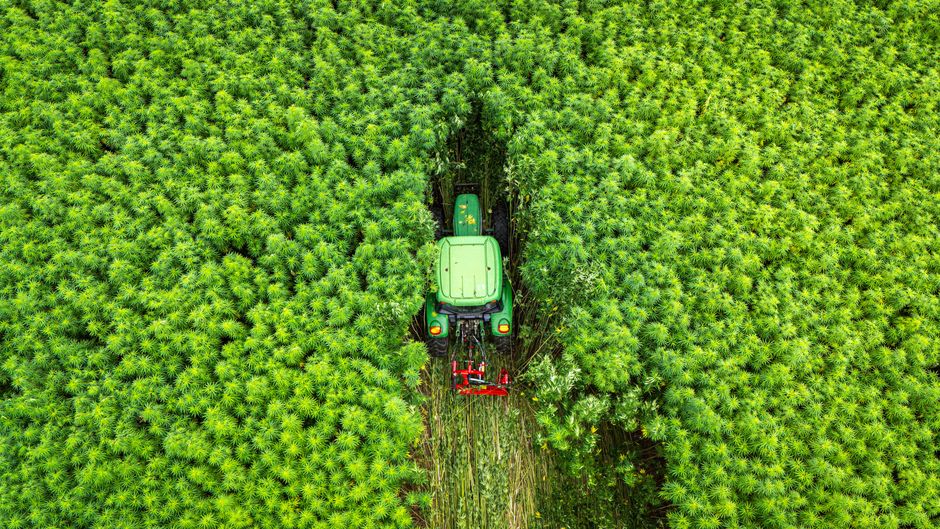
Want to know something interesting? the 2018 farm bill was a game-changer. It federally legalized hemp, defined as cannabis with less than 0.3% THC by dry weight. This upset that allowed hemp-derived CBD products to flood the market.
Key legal takeaways include:
- Hemp-derived CBD is legal at the federal level if it contains under 0.3% THC.
- Anything exceeding 0.3% THC remains federally illegal as marijuana.
- State laws may vary, with some states enforcing stricter limits or bans.
“THC-free” products must still comply with these THC limits. But since 0.3% THC is the legal maximum for hemp products, “THC-free” ideally means non-detectable THC rather than just below the 0.3% threshold.
Why? Because even 0.3% might cause intoxication in sensitive individuals or result in positive marijuana testing, especially if using large amounts.
Quality Variation and Why Certificates of Analysis Matter
Cannabis plants are natural, and their cannabinoid profiles vary widely due to growing conditions, strain genetics, and extraction methods.
So quality can vary dramatically from brand to brand—and batch to batch. This reality makes independent lab testing essential for honest products.
What is a Certificate of Analysis (COA)?
A Certificate of Analysis (COA) is a lab report from an independent third party testing facility. It typically includes detailed cannabinoid profiles, potency percentages, and contaminant screenings for pesticides, heavy metals, solvents, and microbes.
For THC-free claims, the COA should show:
- Non-detect THC or "below limit of quantification" values, confirming virtually zero THC presence.
- Batch-specific details matching the exact product label and batch number, as opposed to generic or outdated reports.
Batch-Specific Laboratory Reporting: Why It Matters
Every batch of CBD oil isn’t exactly the same. Without batch-specific lab reports, you can't be sure the bottle in your hand matches the reported cannabinoid content and purity.
Here’s why this is important:
- Quality Control: Variations in extraction and storage can affect potency and purity.
- Safety: Undetected contaminants can slip through if testing isn’t done per batch.
- Accurate THC Claims: Even if one batch is “THC-free,” another may barely cross detectable levels.
Reputable companies, like Joy Organics, provide easy access to batch-specific COAs online. This transparency allows consumers to verify the THC content beneath the claim.
Decoding the “THC-Free CBD” Claim—Trust But Verify
When you see a THC-free CBD claim, here’s what to look for to separate marketing from reality:
- Don't trust vague "THC-free" wording without proof. The product should link to or provide a batch-specific COA showing non-detectable THC levels.
- Check the lab details: The testing facility should be independent and accredited, and the results recent.
- Beware of front-label numbers: Sometimes the THC listed is “total THC per bottle,” which can be misleading if serving sizes vary.
How Joy Organics Approaches THC-Free Claims
Joy Organics is known for high-quality, broad-spectrum CBD products that emphasize transparency. Their hemp is organically grown, and they provide batch-specific laboratory reports for all products accessible on their website.
These reports confirm the COA non-detect THC status, meaning their products have been tested rigorously to contain zero or https://yourhealthmagazine.net/article/supplements/understanding-cbd-what-to-know-before-adding-it-to-your-routine/ undetectable THC amounts—far below the legal 0.3% limit.
This level of transparency allows consumers to buy with confidence, ensuring that “THC-free” really means what it says.
Summary: What to Know When Choosing THC-Free CBD Products
Consideration What It Means Why It Matters THC-Free Label Product claims no or undetectable THC No intoxication, lower legal risks, less chance of drug test failure Certificate of Analysis (COA) Detailed lab testing report showing cannabinoid profile and contaminants Confirms actual THC content and safety of the batch Batch-Specific Lab Report Testing applies directly to the exact batch you're buying Ensures quality consistency and accurate labeling 2018 Farm Bill Compliance Cannabis product contains less than 0.3% THC Federal legality of hemp-derived CBD products FDA Approval Status Only Epidiolex® approved, other products regulated as supplements Supplement products vary widely in quality and claimsFinal Advice: Skip the Hype, Demand Lab Data
“THC-free” is a helpful label, but it’s meaningless without proof. Don’t be fooled by vague front-label claims. Always ask to see the batch-specific COA so you can confirm the product’s purity.
Brands like Joy Organics set a good example by putting transparency front and center, letting you verify that the “THC-free” claim stands up to scientific testing.
When choosing CBD products, remember: natural does not always mean risk-free. Quality varies. Intoxication is avoidable but only if you buy smart.
Trust your instincts and verify with data—your health deserves nothing less.