What Does the Research Say About CBD for Anxiety?
Cannabidiol (CBD) has become one of the most talked-about supplements in the wellness world, especially when it comes to managing anxiety symptoms. As a former esports team manager turned health-and-science editor, I've sifted through a ton of research and marketing claims to help separate hype from evidence—because when gamers and professionals alike consider their stacks, understanding the science matters.
In this deep dive, we'll explore:
- CBD basics and how it differs from THC
- Hemp legality and the 0.3% THC threshold
- The strength of evidence on CBD for anxiety compared to sleep and performance
- Dosing challenges, especially how typical gummy dosages compare with clinical studies
Along the way, companies like Joy Organics, regulatory bodies like the FDA, and standards organizations such as the World Anti-Doping Agency (WADA) will come into focus naturally because their roles shape how we think about safe and legal CBD use.
CBD Basics & THC Distinctions
CBD is one of many cannabinoids found in the cannabis plant, but it’s important to differentiate it from its more famous relative: tetrahydrocannabinol (THC). THC is the psychoactive compound responsible for the “high” associated with marijuana use. In contrast, CBD is non-intoxicating and doesn’t produce that euphoric effect.
From a consumer perspective, this difference matters for both legality and user experience:
- CBD: Non-psychoactive, often marketed for wellness benefits including anxiety relief, sleep improvement, and inflammation reduction.
- THC: Psychoactive, subject to stricter legal controls in many places.
Joy Organics is one company well-known for their high-quality, hemp-derived CBD products which boast zero THC content in many of their lines—a selling point for those concerned about drug testing or unwanted intoxication.
The Role of the World Anti-Doping Agency (WADA) and CBD
An important note for competitive athletes: The World Anti-Doping Agency (WADA) removed CBD from its list of prohibited substances in 2018, acknowledging its growing acceptance and perceived safety. However, THC remains banned in-competition due to its psychoactive effects and performance implications.
This distinction emphasizes why product quality and THC content are critical, especially since some hemp-derived CBD products do contain trace THC. Always check third-party lab testing (aka the batch lab report) before trusting labels—a habit I recommend, particularly for anyone facing drug testing.
Hemp Legality and the 0.3% THC Threshold
The 2018 U.S. Farm Bill federally legalized hemp and hemp-derived products, including CBD, as long as the THC content is below 0.3% on a dry weight basis. This threshold is essential because it draws the legal line between hemp and marijuana.
Here's what that means in real-world terms:
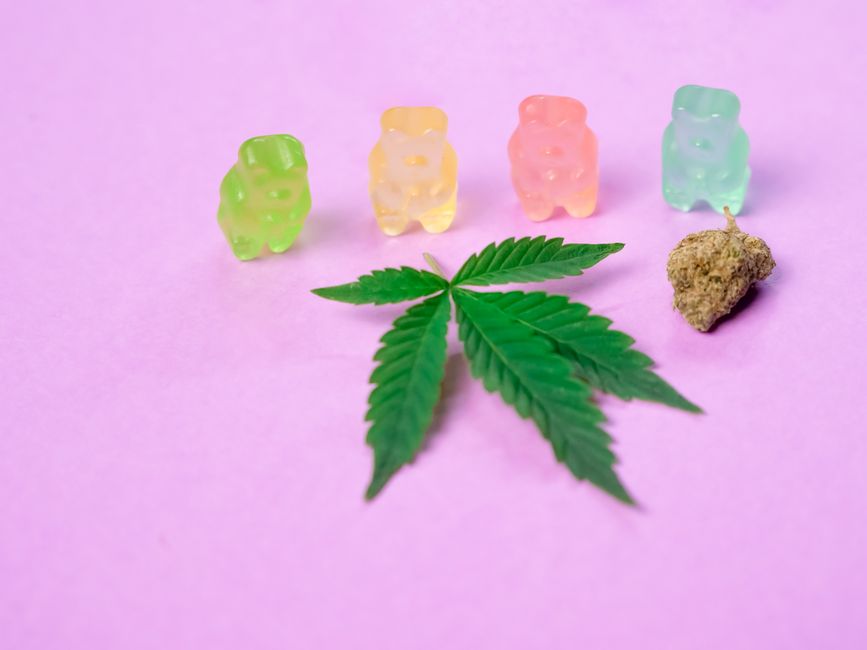
- CBD products from hemp must contain less than 0.3% THC to be federally legal across most of the U.S.
- Products exceeding that threshold are subject to stricter marijuana regulations and may be illegal in some states.
- Consumers must be cautious because some brands may label themselves as 'THC-free' but can contain up to 0.3% THC legally—enough to trigger positive drug tests in sensitive analyses.
This is a key "thing sponsorship reads never mention"—many sponsored posts gloss over that "full spectrum" can include trace THC levels, which are legal but meaningful for sensitive users.
Evidence Strength: Anxiety vs. Sleep vs. Performance
Controlled Trials on CBD for Anxiety
When it comes to controlled trials CBD anxiety, the research landscape is promising but still developing. Multiple clinical studies have tested CBD’s effects on anxiety, particularly social anxiety disorder and generalized anxiety, often using simulated public speaking as a stress-inducing test.
One of the hallmark studies used simulated public speaking in people with social anxiety and found that a single oral dose of 600 mg CBD significantly reduced anxiety, cognitive impairment, and discomfort in their speech performance compared to placebo. This controlled trial CBD anxiety data is among the strongest but should be interpreted carefully because:
- The sample sizes tend to be small.
- Most studies explore acute (single-use) effects rather than long-term outcomes.
- Dosing protocols vary widely, sometimes making it tough to translate research doses to commercial products.
Self-Reported Anxiety Reduction in Real-World Use
Outside strict clinical trials, many users report self reported anxiety reduction with CBD. While anecdotal, these testimonials have fueled massive growth in CBD products marketed for mental health support.
However, self-report data is subject to placebo effects and lacks the rigor of controlled trials. Here's a story that illustrates this perfectly: was shocked by the caffeine at 9pm can’t sleep final bill.. It’s also worth noting that factors like the product formulation, CBD isolate versus broad-spectrum hemp extracts, and individual biochemistry influence outcomes.
CBD’s Effects on Sleep and Athletic Performance
While anxiety has been a focus, CBD has also been studied for sleep improvement and performance anxiety, especially in contexts like esports or athletic competition. Some evidence suggests:
- CBD may improve sleep by reducing anxiety and promoting relaxation.
- Compared to THC, CBD does not impair motor function, making it potentially useful for performance-oriented users.
- More research is needed to establish dosing strategies and long-term safety for performance applications.
The FDA continues to caution consumers that despite the hype, CBD is not approved as a dietary supplement for anxiety or any other condition, and quality control varies substantially across brands.
Dosing Mismatch Between Studies and Gummies
A recurring frustration in decoding CBD research is the dosing disconnect between clinical trials and commercially available products—especially popular CBD gummies.
To put it in perspective:
Context Dose of CBD Notes Controlled trials (e.g., simulated public speaking) 300-600 mg single dose Higher doses, often pharmaceutical-grade CBD isolate or purified extracts. Typical commercial CBD gummies 10-25 mg per gummy Often marketed for mild anxiety or sleep aid; requires multiple gummies to approach study doses. Average user reported dose 20-50 mg/day Varies widely; some users consume >100 mg/day but may face cost and tolerance issues.This dosing mismatch has critical implications:
- Many consumers may underdose if using standard gummies and expect the same effects as 600 mg clinical doses.
- Cost per effective dose can be significant—always good to do the math on mg-per-serving and price-per-serving.
- Quality matters: Joy Organics, for example, offers full batch transparency so you can verify mg content and THC levels, critical for hitting effective and safe doses.
Summary: What Should You Take Away?
- CBD and THC are distinct: CBD is non-intoxicating, while THC causes a high and is more restricted.
- Legality depends on THC content: The 0.3% THC threshold separates hemp (legal) from marijuana (still restricted).
- Evidence for anxiety is promising but preliminary: Controlled trials show benefit especially in acute social anxiety scenarios like simulated public speaking.
- Self-reports and sleep benefits are common but less rigorously studied.
- Dosing gaps are real: Most studies use 300-600 mg doses, while gummies often offer 10-25 mg per serving; adjust accordingly.
- Check lab reports and source quality: Brands like Joy Organics provide transparency; FDA guidance and WADA standards remind us to stay informed and cautious.
Think about it: navigating the cbd market requires discerning science from marketing. If anxiety is your key concern, look for products with verified potency, expect that effective doses might be higher than many gummies provide, and consider consulting a healthcare provider—especially to rule out possible drug interactions.
Remember, no supplement replaces comprehensive mental health care, but CBD might be a valuable piece in your toolkit when used thoughtfully.