Why Do “Recovery Gadgets” Not Fix a Badly Built Camp?
In the high-stakes world of MMA training, it’s tempting to look for shortcuts, quick fixes, or shiny new recovery gadgets that promise faster bounce-back and enhanced performance. Yet, after more than a decade in fight periodization guide for mma camps and cornering more than a few pros and grinders, I’ve learned one hard truth: no gadget can fix a poorly planned camp. The secret sauce isn’t in the tech — it’s in the programming, the fundamentals, and how well your mma camp recovery planning recovery matches your grind.
The Mirage of Recovery Gadgets
Before diving into the core issues, let’s clarify what I mean by “recovery gadgets.” These are devices and tools marketed to athletes promising enhanced muscle repair, improved circulation, better sleep, or faster removal of metabolic waste. From pneumatic compression boots to vibrational plates, fancy biohacking sleep trackers, and infrared tech, the list is long and growing.
But here’s the kicker: these gadgets are tools, and like any tool, they only shine if used within a well-built framework. Slap one on a camp overwhelmed by high volume and poor recovery strategy and you’ll see at best a minor mitigation of symptoms, but no real fixing of the underlying problem.
The Real Issue: Training Volume vs Recovery Capacity
The heartbeat of a successful MMA camp is balancing training volume against recovery capacity. When the volume of hard sparring, drilling, conditioning, and strength work exceeds your ability to recover, you’re on a one-way street to underperformance or worse — injury and burnout.
- Training Volume: This includes all the physical stimuli placed on the body — sparring intensity and frequency, skill drilling time, conditioning pushes, and strength sessions.
- Recovery Capacity: Your body’s resources to repair micro-damage, replenish energy stores, and consolidate motor learning. Sleep sits at the apex of this capacity, supplemented by nutrition and other lifestyle factors.
Here’s why “gadgets” fall short: they can’t meaningfully increase recovery capacity when you’re running a badly built camp. They may reduce soreness slightly or improve circulation, but if training volume vastly overshadows your foundational recovery—especially sleep—you’re guaranteed to crash.
What Happens at 10:30 PM After Sparring?
I always ask myself this when programming camps because sleep timing and quality after training dictate adaptation. During week four — the notorious “crash week” — most fighters hit a wall from cumulative fatigue and mounting sleep debt. No gadget can recreate the deep restorative sleep or the precise motor memory consolidation that your brain and body need at that hour.
If you’re logging 2+ hours of hard sparring on week four and then scrolling on your phone till midnight or compromising sleep quality, no fancy device, compression gear, or recovery heat pad will bandage that problem.
Whiteboard Planning: Mapping Sparring and Deloads
One of my “boring things that work” is the humble whiteboard showing sparring days and recovery blocks. Nothing fancy, but visually organizing the camp lets you control total volume and identify risky stacking of high-fatigue days.

Deload weeks—where training volume drops 40-60%—are non-negotiable to avoid week four burnout. If you place your deload after you’ve already crashed and are sliding into bad sleep habits and mounting fatigue, a recovery gadget won’t be able to reverse the systemic fatigue or neural burnout.
Batch-Specific Lab Reports: The COA Approach to Recovery Supplements
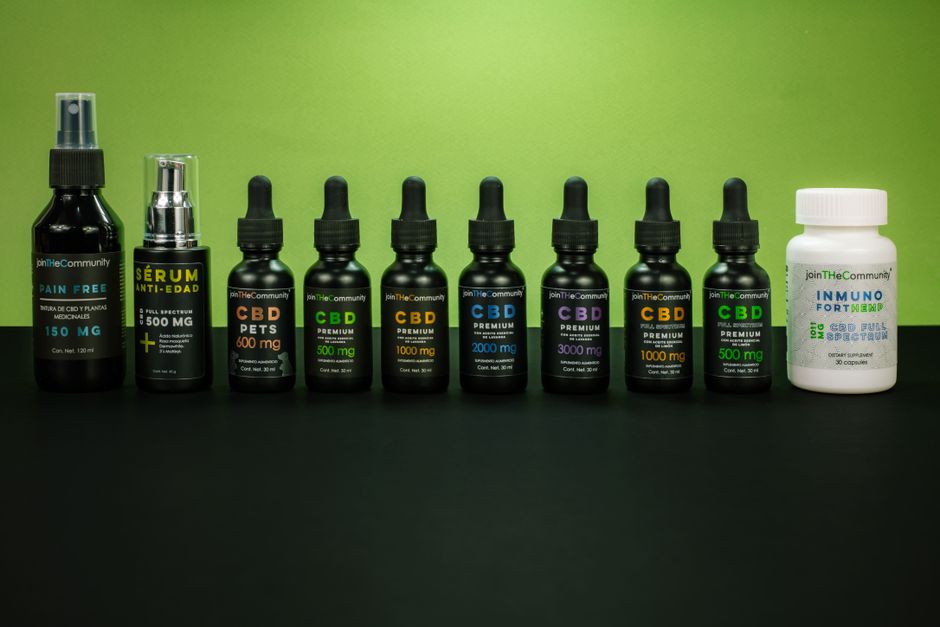
The supplement industry is flooded with “recovery aids” from CBD tinctures to nootropics marketed for better sleep and recovery. But how many camps track batch-specific certifications, like a Certificate of Analysis (COA), accompanying their supplements? Honest lab reports ensure purity and accurate dosing but they can’t fix the camp’s architecture. I remember a project where wished they had known this beforehand.. Programming and sleep hygiene come first.
Using batch-specific lab reports:
- Raises your confidence in product safety and consistent dosing.
- Supports intentional supplementation vs haphazard “take whenever you feel sore” dosing.
- Ensures regulatory compliance and avoids banned substances, especially in commissions unlike the UFC.
However, supplements with COA certification only support recovery in a well-planned camp—they don’t compensate for poor programming, missed sleep, or inadequate nutrition.
Sleep, Food Basics, and Programming First
Let’s talk about why sleep and nutrition basics always trump bells and whistles.
Sleep as Adaptation and Motor Learning
Neurobiology and sports science converge on one truth: sleep is mandatory to consolidate skills, build strength, and manage fatigue. Lack of good sleep means new techniques won’t stick, reaction times lag, and overall resilience tanks.
During fight camps especially, where cognitive and physical stress hit max levels:
- Deep NREM sleep facilitates muscle repair and growth hormone secretion.
- REM sleep consolidates motor skills and mental preparedness.
- Sleep debt accumulation leads to suppressed immunity and elevated injury risk.
Food and Hydration Basics Are Non-Negotiable
Supplements and recovery gadgets can’t cover up poor eating habits. Proper macronutrient balance, meal timing, and hydration are the foundation of recovery capacity. Inadequate protein, erratic carbohydrate supply, or chronic dehydration are recurring camp killers for many MMA athletes.
Common Pitfalls of Gadget Dependency
- Adding Sessions Without Changing Sleep: More sparring sessions or strength work added while sleep remains at 6-7 hours/night ensures burnout.
- Assuming ‘Capsule’ Fixes Recovery: Pills or gadgets marketed as magic fixes rarely replace fundamentals.
- Ignoring Commission Rules: Some recovery substances and devices may not be legal under certain athletic commissions outside UFC rules — compliance matters.
- Vague Dosing Strategies: “Take some when you feel sore” leads to inconsistent recovery and poor adaptation vs clear dosing tied to training and sleep cycles.
In Summary: Programming First, Gadgets Later
Ask yourself this: if you’re striving for success in mma camps, keep one immutable rule at the front of your mind: solid programming and foundational recovery must come first. No compression boots, no infrared plates, no fancy sleep trackers will compensate for:
- Poorly balanced sparring and conditioning volume
- Irregular or insufficient sleep
- Lack of deload weeks and recovery phases
- Substandard nutrition and hydration
Use whiteboard planning to visualize workload, pay attention to what really happens at 10:30 PM after sparring, and place your deload strategically before accumulating crippling fatigue and sleep debt in week four.
Leverage batch-specific lab reports if you supplement, but view gadgets as a supplement to—not a substitute for—a smart, sleep-and-nutrition-first training program.
Final Thought
When your programming respects adaptation timelines, recovery capacities, and sleep’s power, the fundamentals work. Then, recovery gadgets can truly shine as small advantages you apply on top of a solid, sustainable foundation—not as the emergency patch for a poorly built camp.
Train smart. Sleep well. Eat right. Plan thoroughly. And remember—the whiteboard doesn’t lie.
```